
Kidult Tech Blog | AI Plush OEM Insights
AI plush industry trends, OEM/ODM guidance & development insights for brands
What Is an AI Toy Module? The "Heart" Inside Every Smart Plush Toy
A plain-English guide to the hardware that turns a traditional plush toy into an AI companion toy — and why toy brands are adopting it.
Every kid who's ever talked to a stuffed animal has done the same thing: asked if it's happy, then answered for it in a different voice.
That make-believe is becoming real. AI plush toys can now actually listen, respond, and remember. A teddy bear can pick a bedtime story back up where it left off the night before. A plush toy can notice it hasn't been played with in a couple of days and say so.
The part that makes this possible is a single piece of hardware: the AI toy module (also called an AI movement).
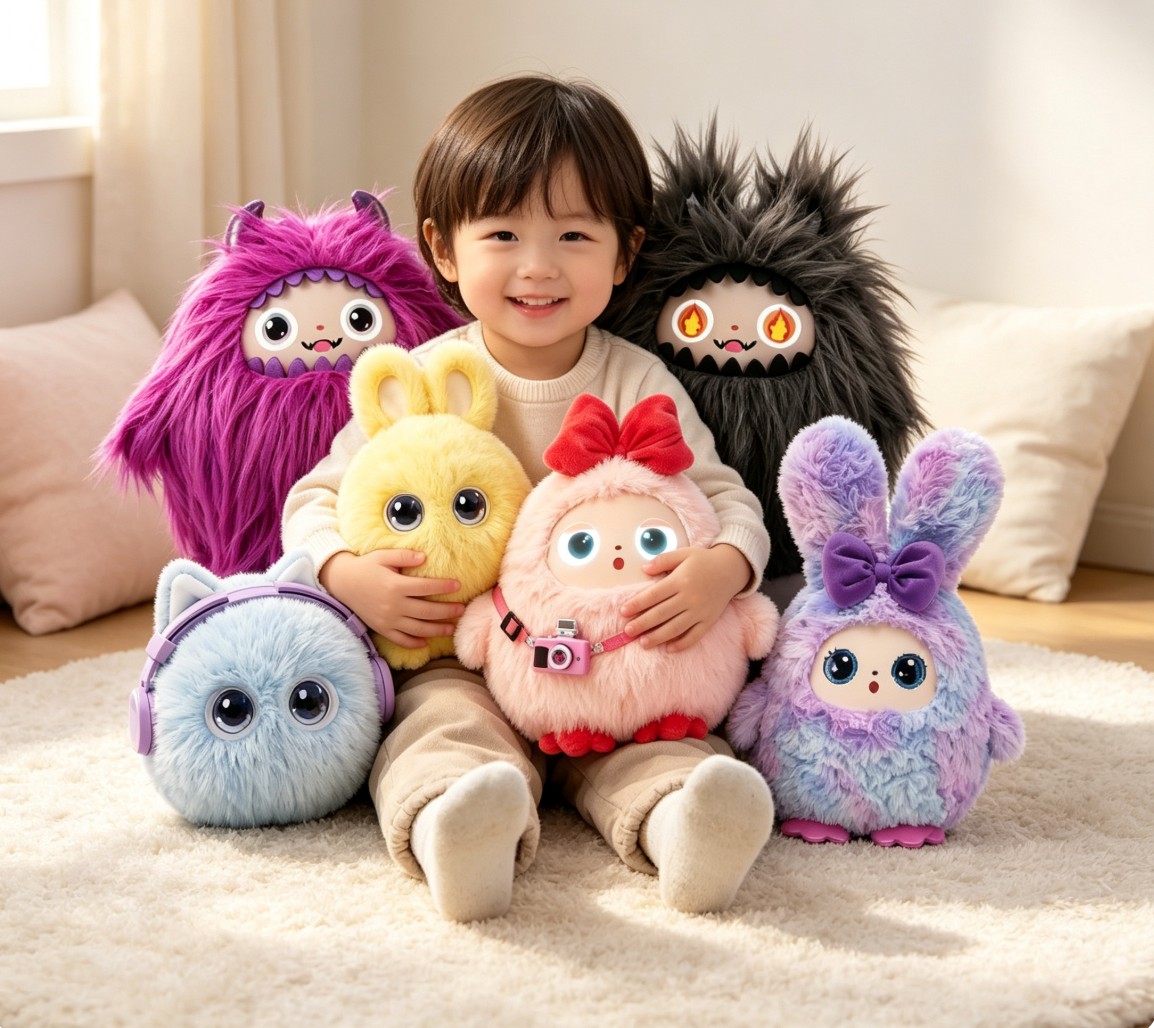
What Is an AI Toy Module?
An AI toy module is a standardized smart hardware unit built into a plush or interactive toy. It typically includes:
Microphone array — picks up speech clearly, even in a noisy room
Speaker — plays the toy's spoken response
Main control chip + connectivity (Wi-Fi / 4G) — sends audio to a cloud-based large language model (LLM) and receives a generated reply
Local memory — stores interaction history, so the toy's responses adapt to the child over time
The difference from older electronic toys is simple: a pre-AI toy plays back a fixed set of recorded phrases. A toy running on an AI module generates a new, contextual response every time — closer to a conversation than a recording.
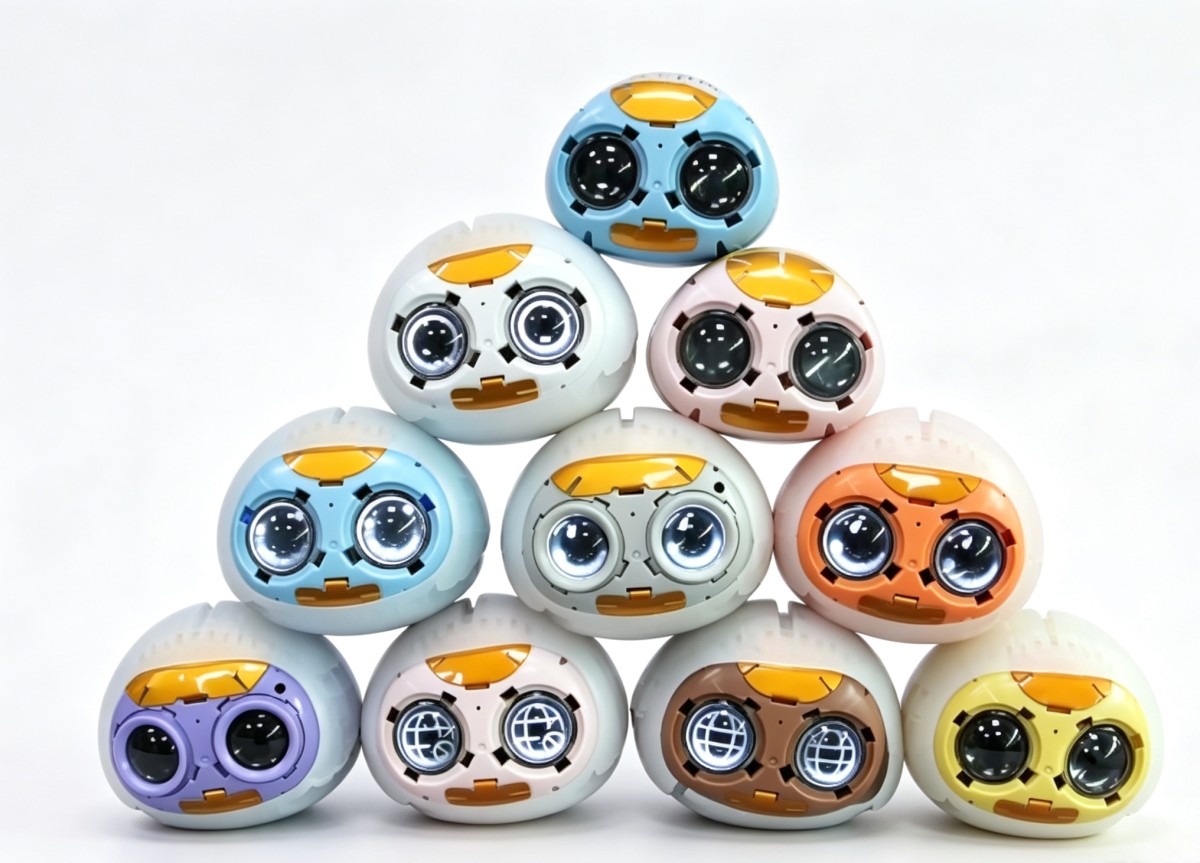
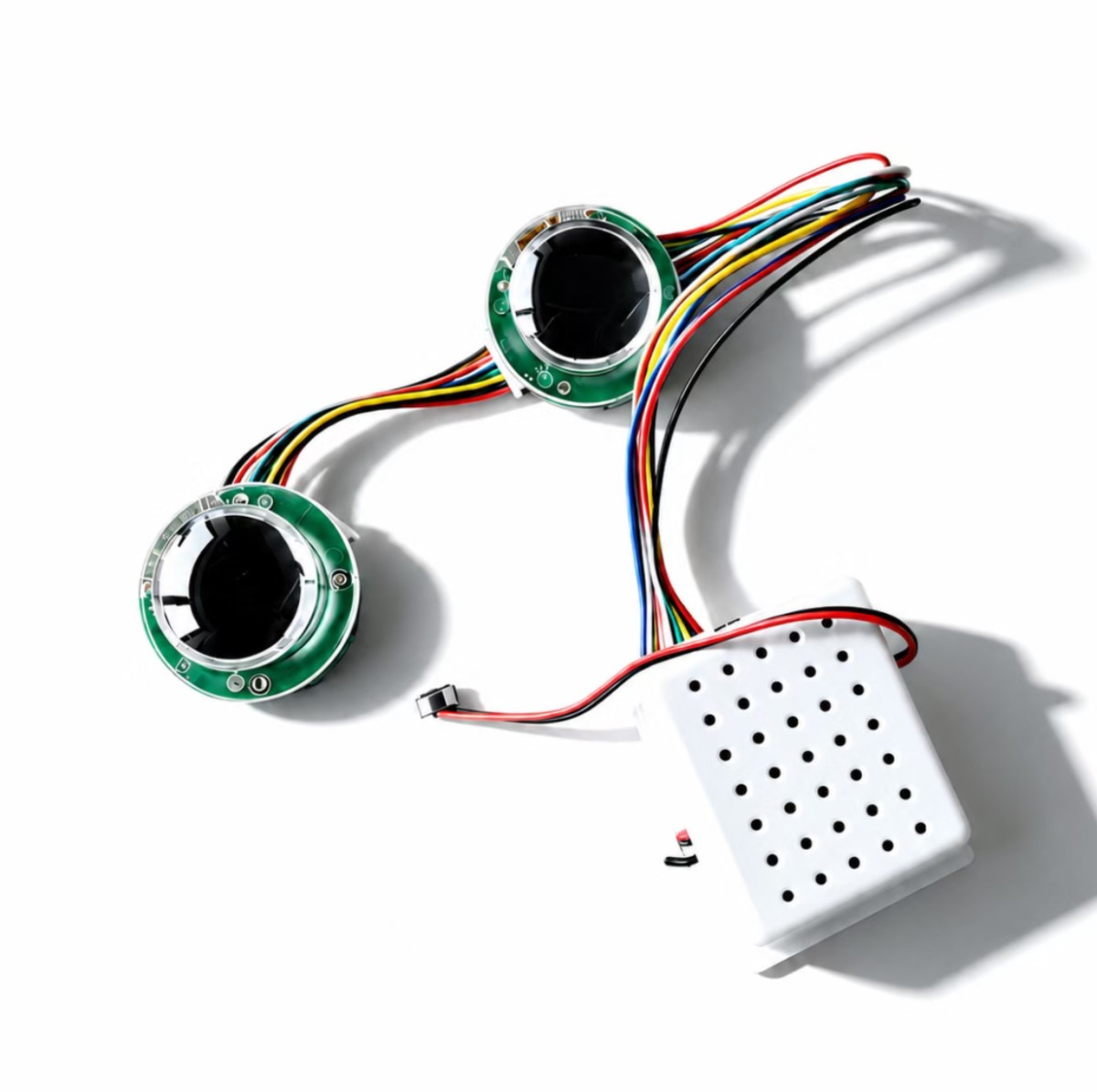
How an AI Toy Module Works
Listen — the module captures the child's speech and converts it to text.
Understand — the text is sent to a cloud LLM, which generates a reply based on the toy's defined character.
Respond — the reply converts back to speech and plays through the toy's speaker.
The child doesn't see any of this. They just experience a toy that understands them — which is the entire point.
Why Toy Manufacturers Are Adding AI Modules
Traditional plush and toy manufacturing is a commodity business: similar factories, similar materials, competing mostly on price. AI capability changes that math.
China's AI toy market was valued at roughly RMB 24.6 billion (~$3.4B USD) in 2024, with growth projected to around RMB 29 billion in 2025 (Ministry of Industry and Information Technology figures, reported via Securities Times).
In Yiwu, one of China's largest toy manufacturing hubs, AI-enabled toys are selling at 60–70% higher price points than comparable traditional plush toys, with production booked out into the following year (Sina Finance, April 2026).
Established manufacturers have already made the shift: Shantou-based Real Power Culture moved from traditional toys to AI-enabled products; YOTO Innovation's AI wearable BubblePal has reportedly sold over 200,000 units.
For a manufacturer running the same production line and the same materials, the decision is straightforward: keep competing on price, or add a feature buyers will pay a premium for.
Why Not Build AI In-House?
Most toy manufacturers don't lack the will — they lack the stack. Building a team that covers LLMs, embedded hardware, and voice interaction is expensive and slow. And that's before solving the parts that don't show up in a demo: connectivity, content safety filtering, and battery life.
This is the case for using a ready-made AI toy module instead of building from scratch:
A toy factory keeps doing what it's good at — appearance design, materials, manufacturing.
A pre-built, tested AI module handles the intelligence layer — voice, LLM connection, memory.
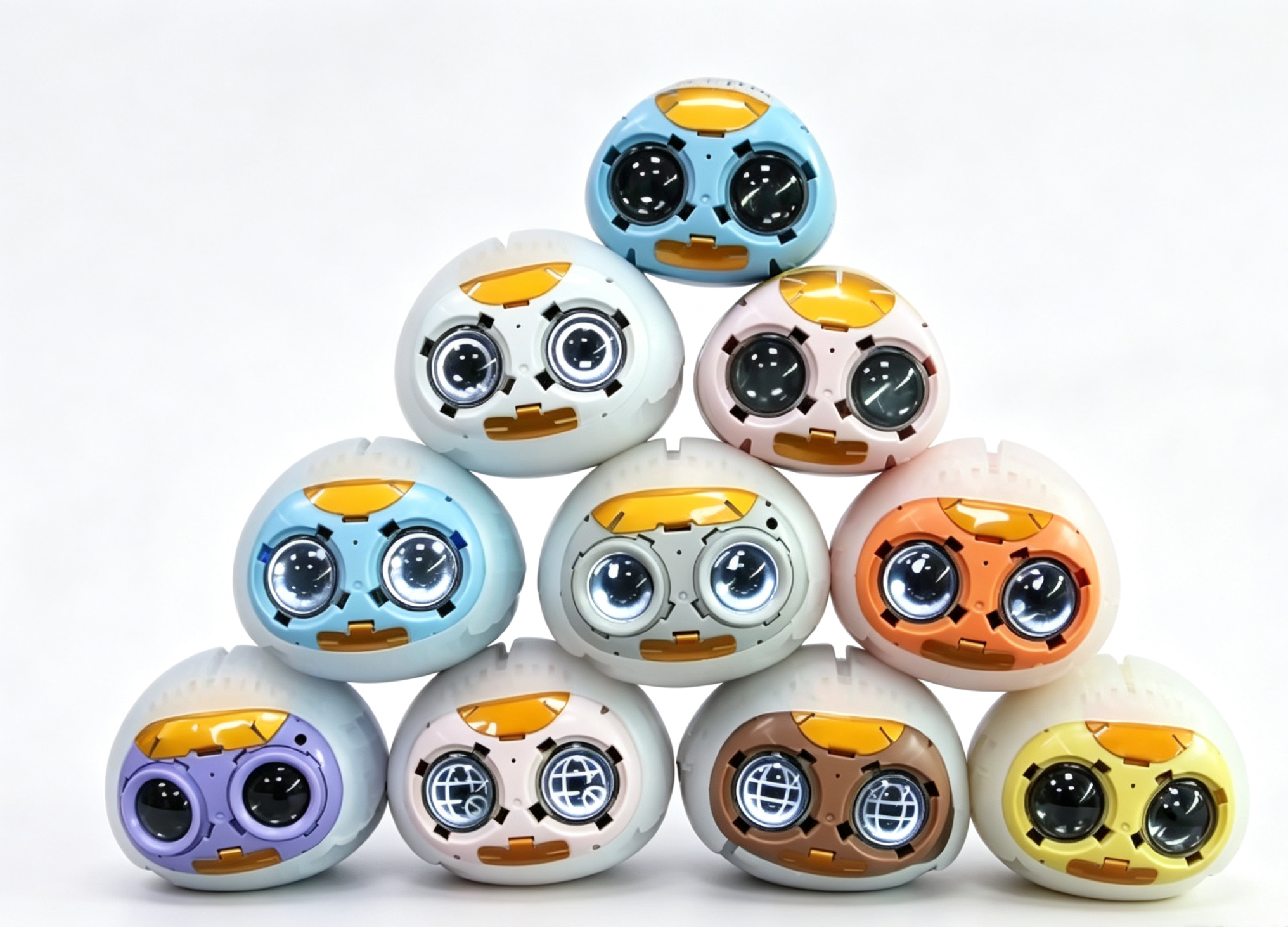
The factory selects a module size, defines the toy's character and content direction, and integrates it into an existing or new toy design.
3D-printed prototypes validate the structural fit fast, before committing to tooling or a full production run.
This is the OEM/ODM model for AI toy development: brands and manufacturers add AI capability without becoming an AI company first.
How Kidult Tech Helps
Kidult Tech works as the technical partner between a toy concept and a finished AI toy. Our scope covers:
AI module selection and fit — matching module size, capability, and cost to a specific toy's form factor and target age group
Industrial design and rapid prototyping — appearance and structural design plus 3D-printed samples, so the module fits and the toy still looks and feels right
Prototype-to-production delivery — from a validated sample through pilot batch to full-scale OEM/ODM manufacturing
The goal isn't to reinvent your product line. It's to take a plush toy you already make well and give it a working AI voice.
FAQ
What's the difference between an AI toy module and a regular toy sound chip?
A sound chip plays pre-recorded audio in a fixed loop. An AI toy module sends speech to a cloud LLM and generates a new response in real time, so the toy can hold an actual conversation rather than repeat a script.
Can an existing plush toy design be upgraded with an AI module?
In most cases, yes — module size and placement are matched to the toy's existing form, and structural fit is validated with a 3D-printed prototype before committing to tooling.
Does adding AI capability require a completely new factory setup?
No. The toy manufacturing side (materials, sewing, assembly) stays the same. The AI module is a self-contained hardware unit integrated into the existing production process.
Looking to add AI capability to a plush or interactive toy line? Get in touch with Kidult Tech to talk through module options and development timelines.
Please give us a message